
Imagine stepping into your Grand Prairie home and feeling a perfect breeze the moment you walk through the door. That instant comfort isn’t magic—it’s the result of a well‑planned HVAC install that knows the local heat like the back of its hand.
Most homeowners think “just pick a unit and get it on the wall,” but the truth is a solid blueprint saves you time, money, and endless service calls. From sizing the system for those scorching summer afternoons to sealing every duct so the air stays where you want it, the details matter.
What separates a smooth rollout from a headache is a step‑by‑step game plan that tackles permits, placement, and performance before the first screw is turned. Skipping any of those pieces can turn a simple upgrade into a costly nightmare.
If you’re ready to see exactly how the right plan turns chaos into confidence, the next section lays it all out, plain and simple.
Understanding the Unique HVAC Needs of Grand Prairie Residents
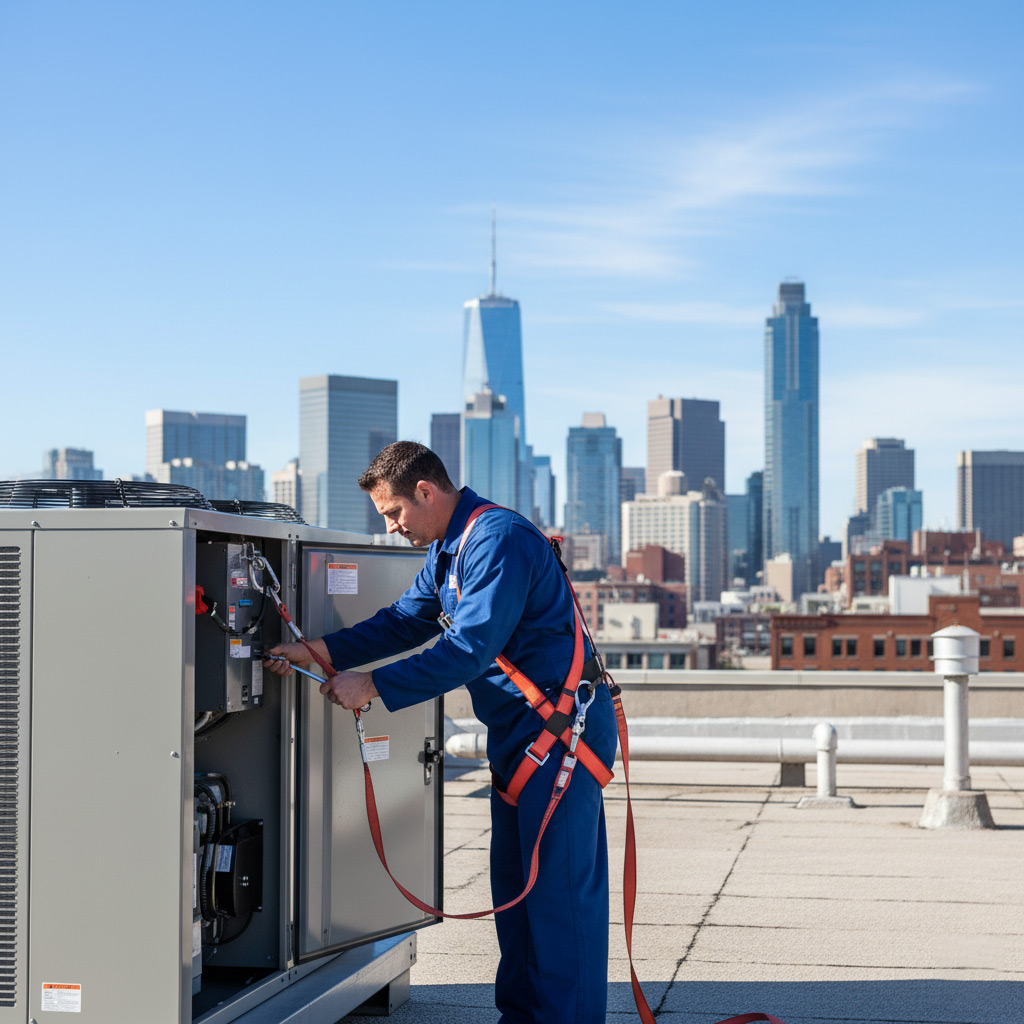
Grand Prairie sits in a climate that swings from scorching 100‑degree summers to brisk, occasional freezes. That temperature roller‑coaster forces your system to work hard, especially when humidity spikes and makes the heat feel like a furnace. Choosing equipment that can handle both extremes is the first rule of the game.
Home styles here range from mid‑century ranches to brand‑new townhomes, each with its own airflow quirks. Older houses often have leaky ducts, while newer builds boast tighter envelopes that trap heat. Understanding those differences helps you avoid over‑sizing a unit and blowing money out the window.
Key Factors to Consider
- Peak summer temperatures regularly hit the high 90s °F.
- Humidity levels can climb above 70 % during July and August.
- Typical roof overhangs create shaded zones that affect indoor load.
- Local utility rates make energy‑star ratings a money‑saving necessity.
Selecting the Right HVAC System: Types, Sizes, and Efficiency Ratings
System Types
Grand Prairie homes come in every shape, so you’ll find a split‑system, a heat pump, or a ductless mini‑split fitting the bill. Each style has a sweet spot—split systems dominate new builds, while heat pumps shine when you want both heating and cooling from one box.
- Split‑system: Outdoor condenser + indoor air handler.
- Heat pump: Same hardware, but reverses flow for winter warmth.
- Ductless mini‑split: Perfect for room additions or older homes without ducts.
Sizing Your Unit
Too big and you’ll waste money; too small and you’ll be left shivering. A proper Manual J calculation looks at square footage, ceiling height, sun exposure, and insulation levels.
- Calculate BTU needs: roughly 20‑30 BTU per square foot for Grand Prairie’s climate.
- Factor in windows, doors, and local shade.
- Ask your installer for a load‑analysis report before signing.
Efficiency Ratings
When the contract rolls in, the numbers matter. SEER tells you how cool you’ll stay in summer, while HSPF measures winter performance.
- SEER 14‑16: Good for most families, balances cost and savings.
- SEER 18+: Premium choice, cuts electric bills noticeably.
- ENERGY STAR label: Guarantees the unit meets strict standards.
Preparing Your Home for Installation: Site Assessment and Pre‑Installation Checklist
Site Assessment
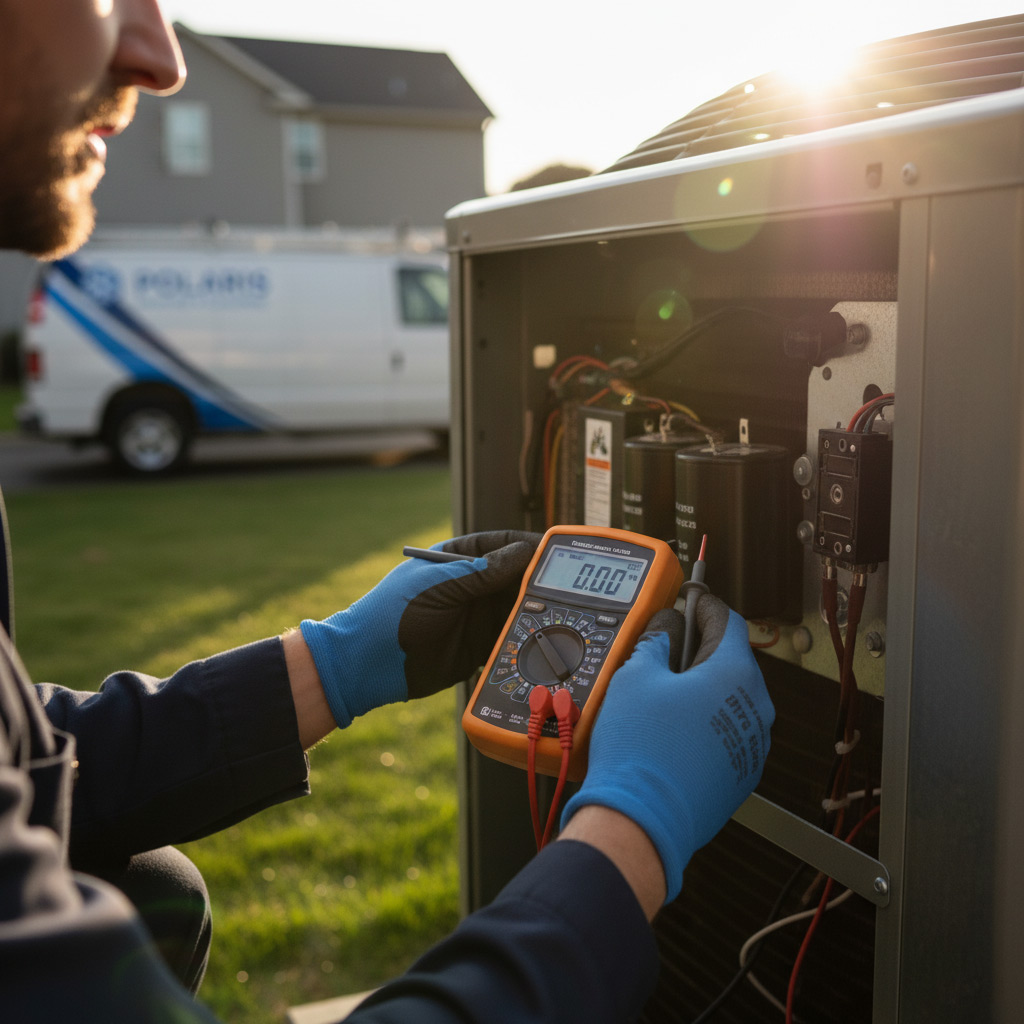
First, a technician walks the floor, checks clearances, and measures duct runs. They spot obstacles like old insulation or cramped crawl spaces that could slow the crew.
Next, they verify the electrical panel can handle the new load. If the panel is undersized, a simple upgrade saves headaches later.
Pre‑Installation Checklist
Before the truck rolls in, run through this quick list. It’s the difference between a smooth day and a scramble.
- Clear the work zone – move furniture, boxes, and pets away from the installation area.
- Turn off the existing thermostat and label any wiring you’ll need to disconnect.
- Check vent openings – make sure they’re not blocked by debris or stored items.
- Confirm that the outdoor unit has at least 2 feet of clearance on all sides.
- Arrange a power source for the crew’s tools – a dedicated 240‑V outlet is ideal.
Finally, keep a copy of your home’s floor plan handy. It helps the installer map out the shortest run for refrigerant lines and saves time.
Step‑by‑Step Installation Process: From Ductwork to Final Testing
Preparing the Site
First, the crew clears the work area and checks for any obstacles that could trip up the install. They verify that the opening for the furnace or air‑handler matches the manufacturer’s specs.
- Seal gaps around the opening with fire‑rated caulk.
- Mark the exact location for the thermostat and return registers.
- Run a quick voltage test to confirm power is ready.
Installing the Core Components
Next, the ductwork goes in. Technicians snap the main trunk to the supply plenum, then branch out to each room.
- Use insulated flex duct for tight spots.
- Secure every joint with metal tape—no leaks.
- Mount the condenser on a level pad, leaving at least two feet of clearance.
After the ducts, the furnace or heat pump is hoisted into place. Connections are double‑checked: refrigerant lines, gas line, and electrical wiring.
Final Checks and Commissioning
With everything hooked up, the team runs a full system start‑up. They watch pressures, temperatures, and airflow to make sure everything sits in the sweet spot.
- Program the thermostat for the home’s schedule.
- Perform a leak test on the refrigerant circuit.
- Document the serial numbers and warranty paperwork.

Navigating Permits, Regulations, and Local Codes in Grand Prairie, TX
What the City Requires Before You Cut the First Pipe
Grand Prairie’s Building Inspection Department insists on a mechanical permit for any new HVAC system. Without it, you’ll face fines and a possible stop‑work order.
Typical paperwork includes:
- Completed permit application (available online)
- System sizing calculations signed by a licensed contractor
- Proof of contractor’s Texas HVAC license
Key Codes That Can’t Be Ignored
The city follows the 2021 International Mechanical Code (IMC) with a few local tweaks. Pay special attention to duct sealing requirements and the minimum clearance around outdoor units.
Failure to meet these standards often means a failed inspection, which delays your comfort by weeks.
How to Keep the Process Smooth
Start the permit request early—ideally before the first day of installation. A quick call to the Inspection Office can confirm any recent code updates.
Keep a copy of every approved plan on site. Inspectors love seeing organized paperwork; it speeds up the final sign‑off.
Case Study: Successful HVAC Installation for a Historic Home in Grand Prairie
Background & Challenges
The Miller residence, built in 1924, sits on a narrow lot in downtown Grand Prairie. Original plaster walls and narrow stairwells left little room for modern ductwork, and the homeowner feared damaging the historic façade.
Our goal was to deliver year‑round comfort without compromising the home’s character. We had to respect preservation guidelines while fitting a system that could handle Texas heat.
Solution Blueprint
We chose a high‑efficiency, variable‑speed mini‑split system that required only a small wall‑mount unit per zone. This eliminated the need for bulky ducts and kept the interior finishes intact.
- Performed a laser scan of the attic to map existing joists.
- Installed slim, insulated refrigerant lines through concealed chases.
- Mounted the indoor units behind original crown molding, preserving visual integrity.
- Integrated a smart thermostat that learns the family’s schedule.
Results & Homeowner Feedback
Within a week, indoor temperatures stabilized at a comfortable 72°F, even during a 105°F heatwave. Energy bills dropped 22% compared to the old furnace.
The Millers praised the “invisible upgrade” – they get modern comfort while the historic charm stays untouched. That’s the kind of win‑win we aim for in every Grand Prairie project.
Final Thoughts: Ensuring Long‑Term Performance and Comfort After Installation
Don’t treat your new system like a set‑it‑and‑forget‑it gadget. A quick filter swap every 30‑45 days keeps airflow clean and the compressor happy. Pair that with a professional tune‑up once a year, and you’ll dodge costly breakdowns before they even think about showing up.
Smart Habits for a Happy HVAC
- Schedule a pre‑season inspection in early fall or spring.
- Calibrate your thermostat after any major weather swing.
- Seal any visible duct leaks with foil tape – it’s cheap and effective.
Think of your system as a muscle: it needs regular stretching and a little TLC. Keep an eye on the HVAC Installation page for tips on upgrades, like a Wi‑Fi thermostat that learns your routine and trims energy waste without you lifting a finger.
People Also Ask
What HVAC system size is ideal for a typical home in Grand Prairie, TX?
A properly sized system is usually determined by a Manual J load calculation, which considers square footage, insulation, window orientation, and local climate. Most average‑size homes in Grand Prairie require a 3‑5 ton unit, but a professional assessment ensures optimal efficiency.Do I need a permit for HVAC installation in Grand Prairie?
Yes, Grand Prairie requires a mechanical permit for new installations or major replacements to ensure compliance with city codes and safety standards. Your HVAC contractor should handle the permit application and inspection process for you.How often should I replace my HVAC filters after installation?
For most residential systems, replace filters every 30‑90 days depending on filter type and household factors like pets or allergies. Regular filter changes keep airflow optimal and protect the new equipment.Can I install an HVAC system in a historic home without compromising its character?
Absolutely—by using discreet ductwork, preserving original trim, and selecting equipment with a low visual profile, contractors can modernize climate control while maintaining historic integrity. A custom design plan addresses both preservation and performance.What are the energy‑efficiency ratings I should look for in Grand Prairie?
Aim for units with a SEER rating of 16 or higher and an AFUE rating of 90%+ for furnaces. Higher ratings reduce utility costs and qualify for many Texas energy‑rebate programs.
Grand Prairie HVAC brings over a decade of certified expertise to homes and businesses throughout Grand Prairie, TX. Their team is dedicated to delivering reliable heating and cooling solutions tailored to the local climate and community needs.
Need HVAC?
We provide rapid, results‑driven solutions for Grand Prairie, TX (75050, 75051, 75052) and neighboring communities. Our focus is delivering the outcomes you need, fast.
Request a fast quote