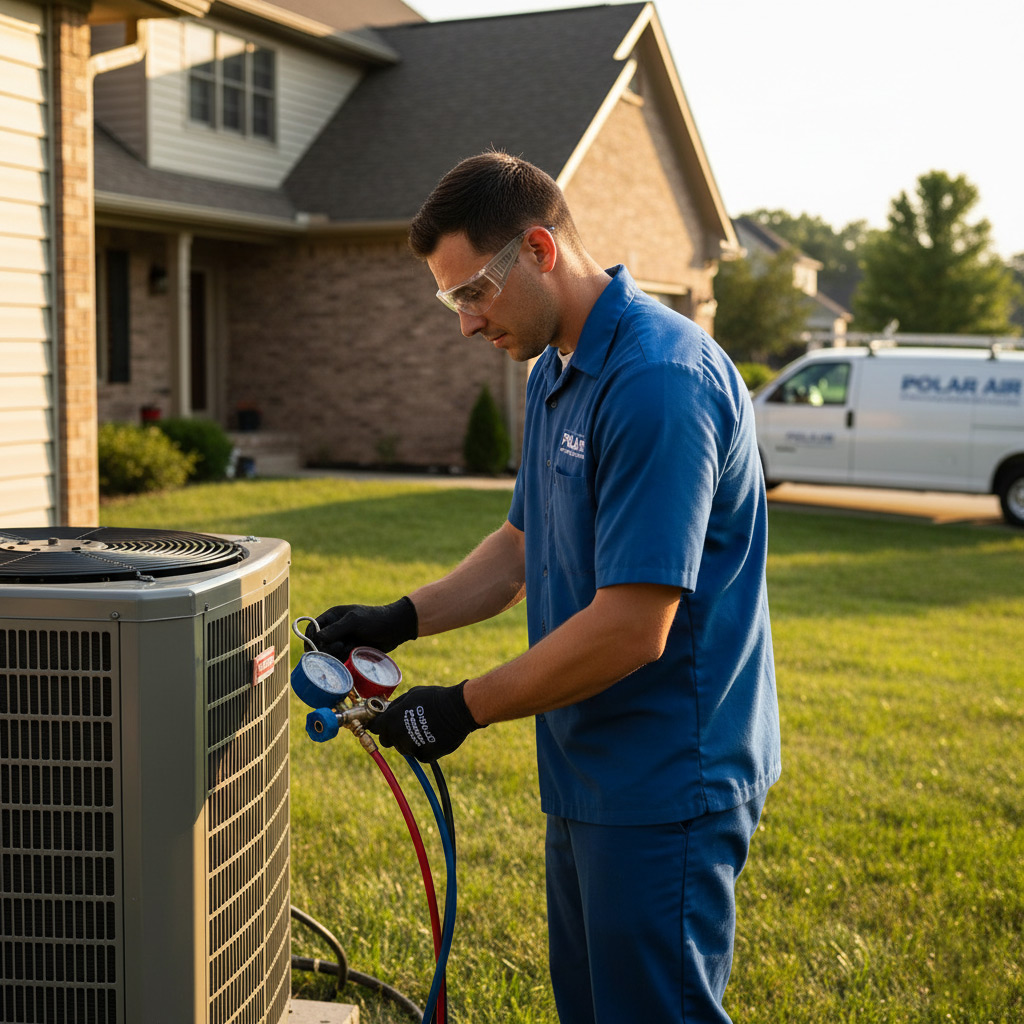
Ever wonder why your neighbor’s AC hums like a cat purring while yours sounds like a busted lawn mower? The difference isn’t luck – it’s a handful of tricks the pros keep to themselves, and they’re not written on any flyer.
In Grand Prairie, the heat can turn a simple thermostat tweak into a full‑blown crisis. Yet seasoned technicians have a playbook of shortcuts that keep systems running smooth, cut repair bills, and extend the life of every coil and compressor.
What if you could steal those insider moves, apply them yourself, and stop the surprise breakdowns that make you call a service line at 2 a.m.? The secrets are simple, but most homeowners never hear about them.
Ready to stop guessing and start mastering the maintenance routine that keeps your home comfortable all summer long? Keep reading and we’ll spill the beans.
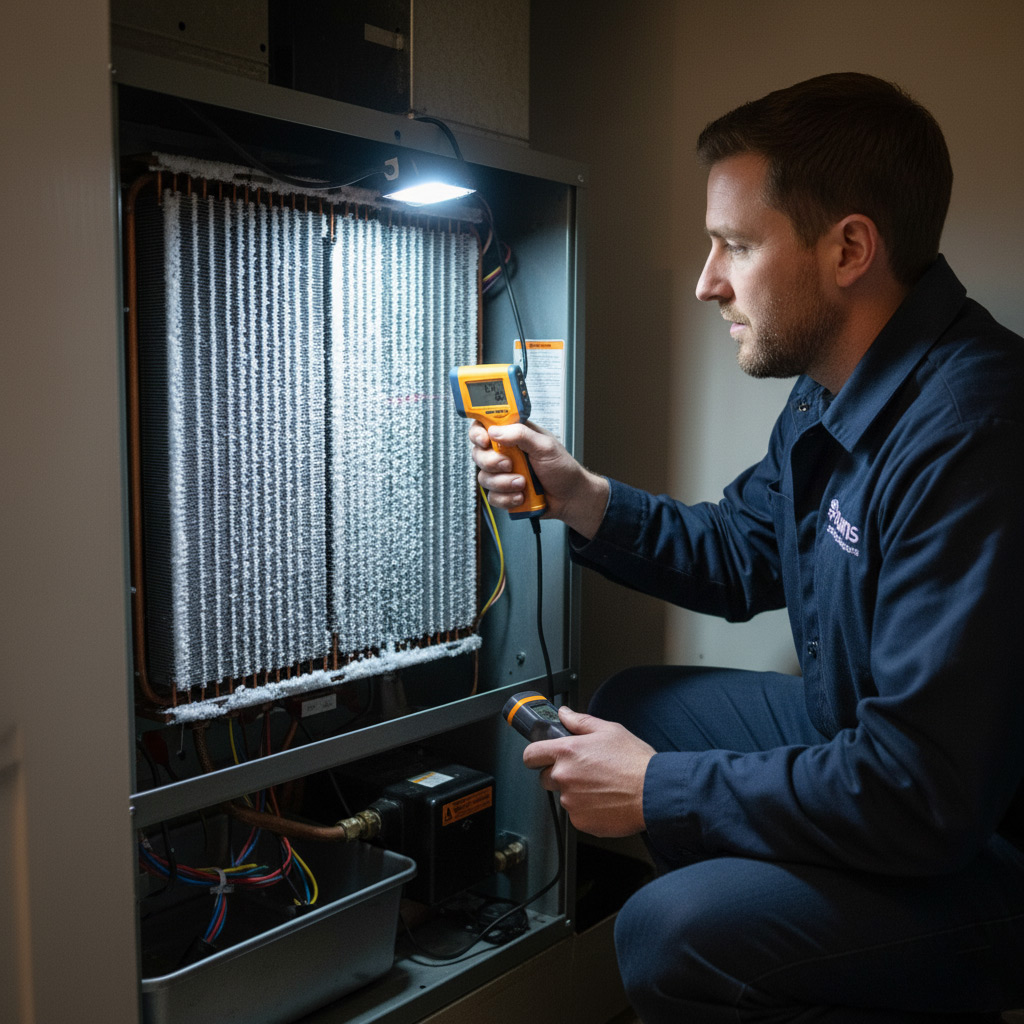
The Hidden Checklist: Monthly DIY Inspections Every Grand Prairie Homeowner Should Do
Skipping a quick once‑a‑month walk‑around is the fastest way to invite a costly repair later. Spend five minutes now and you’ll dodge a sweaty night when the Texas sun is at its peak.
Exterior Unit Quick Scan
Step outside, give the condenser a once‑over, and look for anything that looks out of place.
- Clear away leaves, grass clippings, and debris that can choke airflow.
- Check the fan blades for bends or cracks; a straight blade spins smoother.
- Make sure the unit sits level – an uneven base forces the compressor to work harder.
- Listen for rattles or humming that sounds off; it could signal a loose motor mount.
Indoor Components Check
Inside, the thermostat and vents are your first line of defense against a breakdown.
- Swap the air filter if it looks dirty; a clean filter keeps the system breathing.
- Inspect vent registers for closed or blocked grilles; open them fully for better circulation.
- Verify the thermostat reads the same temperature as a handheld thermometer in the same room – a mismatch means it’s time to recalibrate.
- Look around the furnace for water stains or rust; early signs of a leak can save a bundle.
Clean Like a Pro: Proper Coil and Filter Maintenance to Boost Efficiency
Coil Care Basics
Dust and pollen love to settle on your evaporator and condenser coils, turning them into tiny roadblocks. Clear coils = cooler air, and it only takes a few minutes a year.
Grab a soft brush, a garden hose, and a coil‑cleaning spray. Don’t spray directly on the fins—spray the cleaner, let it sit, then rinse gently.
- Turn off power before you start.
- Use a fin comb to straighten bent blades.
- Rinse from the top down to push debris away.
Filter Fixes
The filter is the first line of defense, yet most homeowners replace it only when the air smells funky. Swap it every 30‑45 days during peak summer.
If you’re on a budget, a washable filter can do the trick—just rinse, let dry, and pop it back in.
- Check the frame for cracks.
- Slide the filter out, tap off excess dust.
- Insert a new or clean filter, snugly fit.
When coils stay clean and filters are fresh, your system works like a well‑oiled machine. Less strain means lower bills and fewer surprise repairs.
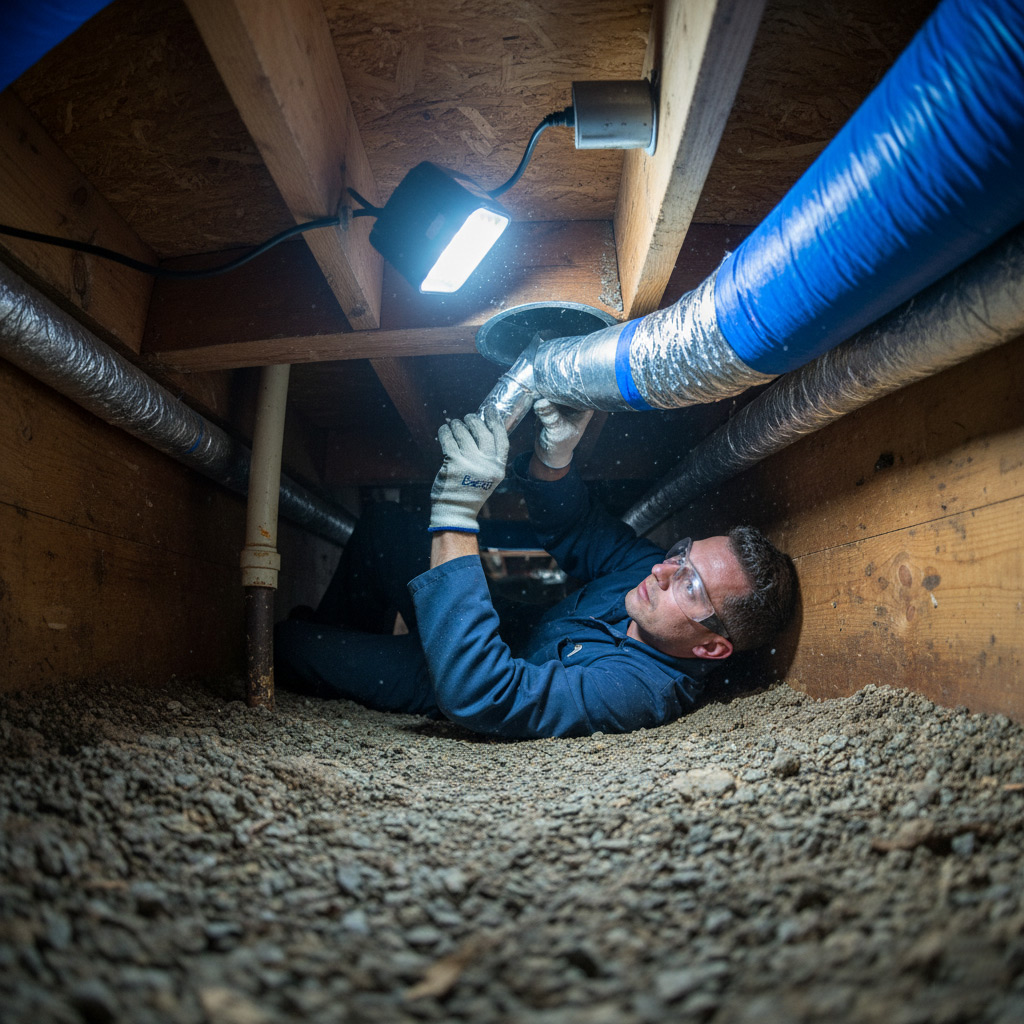
The Secret to Perfect Airflow: Ductwork Checks and Sealant Tips
Find the Leaks Before They Find You
Air that escapes the ducts is money flying out the window. In Grand Prairie, a 10 % loss can add up fast during those scorching afternoons.
Look for these tell‑tale signs:
- Cold spots in rooms far from the thermostat.
- Whistling noises when the fan kicks on.
- Dust piles up around vent grilles.
Seal the Deal with the Right Materials
Not all sealants are created equal. MDF‑rated foil tape sticks like a champ and resists heat, while a spray‑foam sealant fills gaps you can’t reach with a brush.
Apply in three simple steps:
- Clean the joint with a dry cloth; any debris ruins adhesion.
- Press the tape firmly, overlapping each layer by at least an inch.
- For larger cracks, spray foam, then trim excess with a utility knife once it cures.
DIY Duct Inspection Checklist
Grab a flashlight, a screwdriver, and a sheet of paper. You’ll be surprised how many leaks you can spot in ten minutes.
Run through this quick audit:
- Open each vent; if the paper wobbles, you’ve got a leak.
- Check the visible sections of duct for loose clamps or missing screws.
- Feel the exterior of the ducts; any cold spots mean air is escaping.
Thermostat Tuning Hacks: Programming for Texas Heat Waves
Most Grand Prairie homes run a thermostat like a radio—turn it on, set a temperature, and hope for the best. The real trick is to treat it like a smart assistant that knows when you’re home, when you’re out, and when the sun is beating down hard.
Set the Night‑time Reset
During those sweltering evenings, a small temperature dip can shave off big bills. Follow this quick routine:
- Program a 2‑degree drop at 10 p.m.
- Schedule a rise back to comfort level at 6 a.m.
- Use the auto‑away feature if your unit supports it.
Leverage the ‘Away’ Mode
When you’re at work or on a weekend getaway, the system shouldn’t be fighting the heat for you. Activate away mode and set a higher temperature—usually 78‑80°F works fine.
- It tells the compressor to run less often.
- It prevents the unit from short‑cycling.
- It keeps your energy bill from spiking.

When to Call the Pros: Spotting Early Warning Signs Before a Breakdown
Red Flags You Can’t Ignore
Even a seasoned DIYer will miss the subtle cues that scream “something’s off.” When you hear rattling, feel uneven airflow, or notice a sudden spike in your electric bill, it’s time to pause.
- Strange noises – buzzing, grinding, or clanking.
- Weak airflow from vents on one side of the house.
- Frequent short‑cycling – the unit turns on and off every few minutes.
Temperature Trouble
If a room stays hot while the thermostat reads 72°F, the thermostat isn’t the problem – the system is. Leaky ducts or a failing compressor can cause that mismatch.
Watch for condensation pooling around the indoor unit. A small drip is normal, but a puddle means a clogged drain line or a refrigerant leak.
Why Call a Pro Early
Waiting until the unit quits outright usually means a bigger bill. A technician can diagnose a refrigerant leak, replace a worn motor, or reseal ducts before they turn into a full‑blown emergency.
Early intervention often saves 30‑50% on repair costs and adds years to your system’s life. Don’t gamble with comfort – pick up the phone when the signs appear.
Case Study: How a Grand Prairie Family Saved $1,200 with Pro‑Level Maintenance
The Situation
When the Martinez family noticed their electric bill spiking in June, they blamed the Texas heat. What they didn’t realize was that a clogged coil and a leaky duct were draining power like a faucet left on.
They called a local tech who ran a quick diagnostic and found three red flags:
- Dirty evaporator coil – reduced cooling efficiency by up to 30%.
- Filter clogged for months – forced the blower to work overtime.
- Two sections of ductwork missing sealant – air escaping into the attic.
The Pro‑Level Fix
Instead of a full‑system replacement, the technician performed a targeted maintenance plan. It cost less than a single repair call.
Steps taken:
- Deep‑cleaned the coil with a non‑corrosive solution.
- Replaced the filter with a high‑MERV option.
- Sealed all visible duct gaps using foil‑backed tape and mastic.
- Reprogrammed the thermostat for a “smart‑away” schedule.
The Payoff
After the service, the Martinez’s AC ran smoother, and their bill dropped by $150 each month. Over a six‑month cooling season that’s a $1,200 saving – more than the cost of the maintenance visit.
Lesson learned: a few pro‑level tweaks can keep your system humming and keep cash in your pocket.
Final Words: Keep Your HVAC Running Smoothly All Summer Long
Lock in the Routine
Every summer in Grand Prairie is a marathon, not a sprint. The secret to finishing strong is a simple, repeatable habit: set a calendar reminder for the monthly DIY checks and stick to it. When the date rolls around, grab a flashlight, a screwdriver, and a fresh filter—no excuses.
Here’s a quick cheat sheet you can print and tape to the fridge:
- Check thermostat settings – make sure it’s on “auto” not “on.”
- Inspect outdoor unit for debris – clear leaves, twigs, and dirt.
- Swap the air filter – a clean filter saves energy and money.
Know When to Call in the Pros
Even the best DIYers hit a wall. If you notice any of these red flags, pick up the phone before the heat turns your home into a sauna:
- Strange noises – rattling, grinding, or squealing.
- Weak airflow from vents – could mean a sealed duct or a failing blower.
- Higher than usual electric bills – the system is working harder than it should.
When you spot a warning sign, schedule a service call. Our technicians know the HVAC Maintenance playbook inside out and can nip problems in the bud, saving you from a costly emergency later.
People Also Ask
What monthly DIY HVAC inspections can prevent costly repairs in Grand Prairie?
Regularly check the thermostat settings, listen for unusual noises, and inspect the outdoor unit for debris. Verify that the condensate drain isn’t clogged and that all vents are unobstructed. These quick checks catch early issues before they become expensive breakdowns.How often should I clean my HVAC coils and filters to maintain efficiency?
Clean the air filter every 30 days during peak summer use and at least every 60 days in milder months. Coil cleaning should be done twice a year—once before the summer heat and once before winter—to keep airflow optimal and reduce energy waste.Why is duct sealing important for Grand Prairie homes?
Leaky ducts can lose up to 30% of conditioned air, forcing the system to work harder and raising utility bills. Using mastic sealant or UL‑rated tape on joints and seams restores proper airflow and improves indoor comfort.What thermostat programming tricks help survive Texas heat waves?
Set the “away” temperature 2‑3 °F higher than your normal cooling setpoint and use a programmable schedule to lower it only when you’re home. Enable the “fan‑on” mode during extreme heat to circulate air without over‑cooling the system.When should I call a professional HVAC technician in Grand Prairie?
If you notice reduced airflow, strange odors, or the unit cycles on and off rapidly, it’s time to call a pro. Early detection of refrigerant leaks, motor wear, or electrical issues can save hundreds of dollars in repairs.
Grand Prairie HVAC brings over 15 years of residential and commercial climate‑control expertise to the Grand Prairie community. Their team of certified technicians delivers reliable heating, cooling, and indoor‑air‑quality solutions tailored to local needs. Committed to responsive service, they keep homes and businesses comfortable year‑round.
Need HVAC?
We provide rapid, results‑driven solutions for Grand Prairie, TX (75050, 75051, 75052) and neighboring communities. Our focus is delivering the outcomes you need, fast.
Request a fast quote