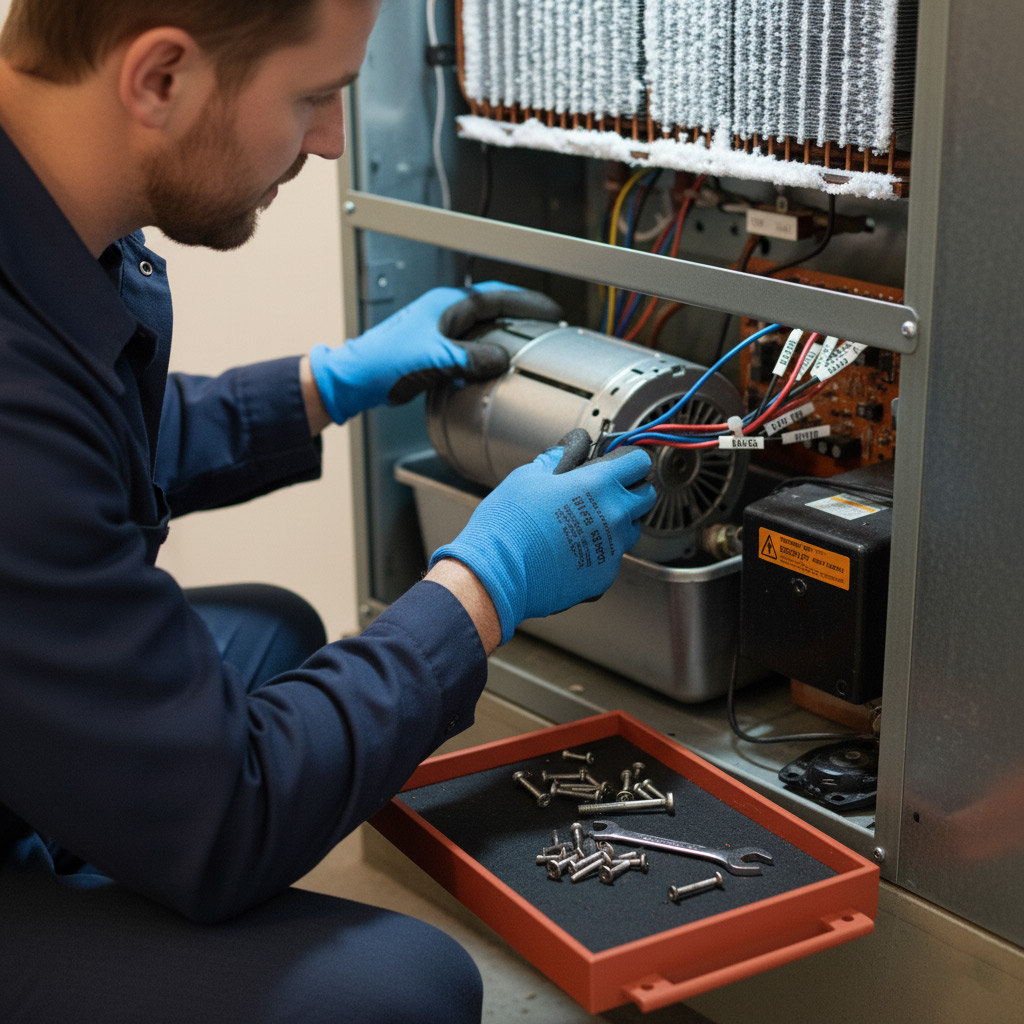
Picture this: the Texas heat is relentless, your old unit sputters, and the thermostat flashes a red warning. You know it’s time for a replacement, but the price tag feels like a mystery you can’t crack.
In this post we’ll pull back the curtain on every cost component that shows up on a Grand Prairie HVAC quote—equipment, labor, permits, disposal fees, and those sneaky extras that catch most homeowners off guard.
Stay with us and you’ll walk away with a crystal‑clear picture of what you’ll actually pay, so you can make a confident decision without second‑guessing the numbers.
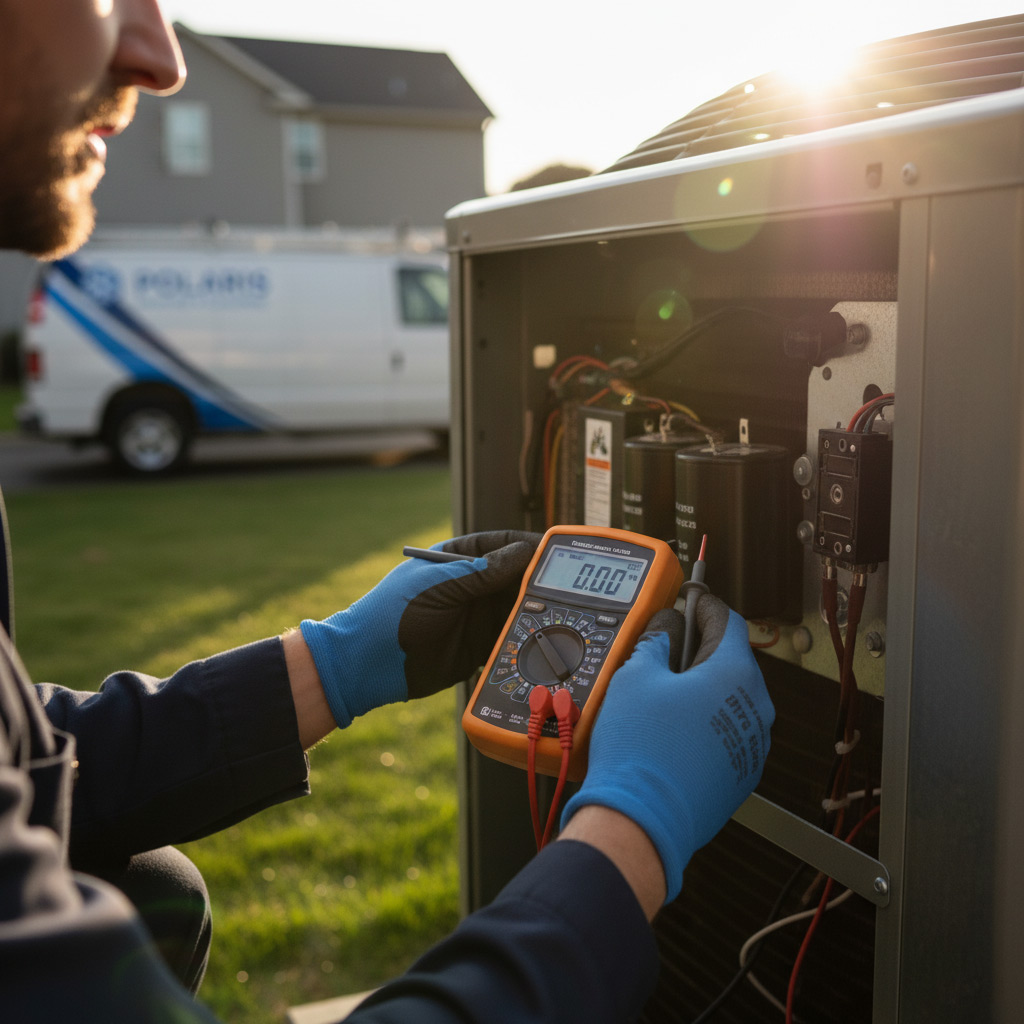
Breaking Down the Major Cost Categories: Equipment, Labor, and More
When the quote lands on your kitchen table, it’s not a random jumble of numbers – it’s a map of where every dollar goes. Understanding the three big buckets—the hardware you’ll be installing, the hands that put it together, and the “extras” that keep the job legal and tidy—lets you spot the real savings and the sneaky add‑ons.
Equipment: The Heart of the System
The unit itself is the headline act. Prices swing based on brand reputation, capacity, and seasonal efficiency scores. A modest 3‑ton split system from a mid‑tier manufacturer might sit around $2,500, while a top‑of‑the‑line, high‑SEER model can push past $5,000.
Labor: The Sweat Behind the Steel
Installation crews charge by the hour, but the total isn’t just a simple multiplication. Factors like roof access, existing ductwork condition, and the need for custom venting can stretch a 6‑hour job into an 8‑hour marathon, nudging the labor bill upward.
Other Fees: The Small Charges That Add Up
- Permits – City of Grand Prairie requires a mechanical permit, typically $75‑$150.
- Disposal of the old unit – $100‑$200, depending on weight and recycling rules.
- Additional materials – copper line sets, condensate pumps, or extra insulation can tack on $200‑$400.
Equipment Selection: How Unit Type, SEER Rating, and Size Impact Price
Unit Type Matters
Choosing a central split system, a heat pump, or a ductless mini‑split isn’t just about brand loyalty—it’s a price driver. Central split units tend to sit at the mid‑range because you’re buying a furnace and an air conditioner together. Heat pumps can cost more upfront but double as a heater, which can shave dollars off your winter bill.
- Central split – balanced cost, full‑home coverage.
- Heat pump – higher purchase price, year‑round use.
- Ductless mini‑split – premium price, perfect for add‑ons or retrofits.
SEER Rating = Price Lever
The Seasonal Energy Efficiency Ratio (SEER) is the secret sauce that makes a unit cheap or pricey. A 13‑SEER model will look friendly on a quote, while a 20‑SEER unit can add $1,000‑$2,000 to the bill. Higher SEER means lower utility costs, but the payback period depends on how often you run the system.
- 13‑15 SEER – entry level, modest savings.
- 16‑18 SEER – sweet spot for most Grand Prairie homes.
- 19‑20+ SEER – top tier, best for energy‑savvy buyers.
Size = Comfort & Cost
Oversizing a system is a money‑sucking mistake; undersizing leaves you sweating. The right tonnage is calculated by square footage, ceiling height, and sun exposure. Every extra ton can tack on $800‑$1,200, and it won’t make your house any cooler.
- Calculate BTU needs – roughly 20‑25 BTU per square foot.
- Match tonnage – 1 ton = 12,000 BTU.
- Avoid “bigger is better” – proper size = optimal efficiency.

Labor & Installation Fees: Factors That Influence the Hourly Rate and Total Labor Cost
When the truck pulls up, the real work begins. Technicians charge by the hour, but that number isn’t set in stone—it shifts with experience, the job’s complexity, and even the time of year.
What Drives the Hourly Rate?
- Technician expertise: Certified NATE pros command higher wages than apprentices.
- Seasonal demand: Summer spikes push rates up; winter lull can shave a few dollars off.
- Travel distance: A job far from the depot adds mileage fees.
- Equipment needed: Cranes, lifts, or special tools raise the hourly charge.
Most Grand Prairie contractors quote between $80 and $130 per hour. Don’t assume the lowest price wins—a seasoned installer may finish faster, saving you money overall.
How Total Labor Cost Adds Up
Labor isn’t just a flat rate; it’s the sum of every minute spent on site. That includes tearing out the old unit, prepping ducts, calibrating the new system, and a final performance test.
Typical residential replacements run 8‑12 hours of labor. Multiply those hours by the hourly rate, and you’ll see a range of $640‑$1,560 for labor alone. Add any overtime or after‑hours premiums, and the total can climb quickly.
Permits, Disposal, and Hidden Fees: Understanding the Small Charges That Add Up
Permits: The Unseen Line Item
Grand Prairie requires a building permit for any new HVAC system, and the fee isn’t a flat rate—it varies by unit size and local code.
Typical permit costs look like this:
- Residential permit: $75 – $150
- Electrical permit (if new wiring is needed): $50 – $100
- Inspection surcharge (once the job is done): $30 – $60
Skipping the permit to save a few bucks can lead to fines or a failed inspection, which ends up costing far more.
Disposal & Recycling Fees
Old units don’t just disappear; they must be hauled away and recycled according to EPA rules.
Most contractors bundle this into a “disposal fee,” but the amount can differ:
- Standard refrigerant recovery: $40 – $80
- Full unit removal and landfill tip fee: $100 – $200
- Optional eco‑friendly recycling program: $30 extra
Ask your installer for a line‑item breakdown so you know exactly what you’re paying for.
Hidden Fees That Sneak In
These are the little extras that pop up after the quote is signed.
- Travel surcharge for jobs outside the main service area: $25 – $50
- After‑hours or weekend work premium: 15% – 25% markup
- Additional duct sealing or insulation not covered in the original scope: $0.50 – $1.00 per square foot
When you see a “miscellaneous” line, ask for specifics. A clear explanation now prevents surprise charges later.
Energy Efficiency Incentives, Rebates, and Financing Options Available in Grand Prairie
Texas loves a good deal, and Grand Prairie is no exception. When you upgrade to a high‑SEER unit, you can tap into a stack of cash‑back programs that shave hundreds off your bill.
State and Local Rebates
Both the Texas Comptroller and the City of Grand Prairie run rebate pools for energy‑savvy homeowners. The key is to act fast—funds run out.
- TX‑Rebates: Up to $500 for qualifying central air conditioners with a SEER of 16 or higher.
- Grand Prairie Green Upgrade: $300 credit for any HVAC system that meets ENERGY STAR criteria.
- Utility‑company specials: Dallas‑Fort Worth Power & Light often adds a $150 “Summer Cool” rebate.
Tax Credits and Federal Incentives
The federal government still offers a 30% tax credit for certain high‑efficiency heat pumps. It’s a one‑time hit on your tax return, not a recurring discount.
- Applies to units with a SEER of 15+ and an HSPF of 9+.
- Must be installed by a licensed contractor and documented with a proper receipt.
- Credit expires at the end of the calendar year—don’t wait.
Financing Made Simple
Most local HVAC firms partner with lenders that specialize in home improvement loans. The result? Low‑interest, fixed‑rate plans that spread the cost over 5‑10 years.
- 0% APR for 12 months on qualifying purchases.
- Monthly payments as low as $75 for a 3‑ton unit.
- Option to roll the balance into your mortgage for even lower rates.
Case Study: A Grand Prairie Homeowner’s Full HVAC Replacement Experience and Cost Breakdown
When Mark Williams, a 42‑year‑old electrician, finally said “enough” to his 12‑year‑old furnace, he called us for a no‑surprise quote. He wanted to know exactly what he’d pay before signing a contract.
The Homeowner’s Situation
Mark lives in a 2,200 sq ft ranch with three bedrooms, a home office, and a small workshop. His old unit was a 13‑SEER split system that struggled to keep the workshop cool in July.
He asked for a system that could handle:
- Consistent comfort in the living areas and workshop
- A SEER rating of at least 16 for lower bills
- Warranty coverage that matches his DIY mindset
Breakdown of the Quote
The final proposal landed at $9,850, split into clear categories:
- Equipment: $5,400 – 4‑ton, 16‑SEER air‑conditioner + 95% AFUE furnace
- Labor & Installation: $2,200 – 12 hours of work, including duct sealing
- Permits & Disposal: $350 – city permit and old unit removal
- Hidden Extras: $300 – refrigerant recovery fee, thermostat upgrade
- Incentives: –$500 – local utility rebate for high‑efficiency units
Mark’s total out‑of‑pocket cost after the rebate was $9,350. He financed the $8,850 balance over 36 months at 3.9% APR, which added $120 per month to his budget.
Within two weeks of installation, Mark reported a 22% drop in his monthly energy bill and a quieter home. He now feels confident that the numbers on the quote matched the reality on his wall.
Final Words
Ready to stop guessing and start planning? Grab that quote, compare the line items, and ask your installer to walk you through each number. Transparency wins when you know exactly where every dollar goes.
Quick sanity‑check before you sign
- Did the estimate list the unit model, SEER rating, and tonnage?
- Are labor hours broken down by removal, duct work, and final testing?
- Is there a line for permits, disposal, and any “misc.” fees?
- Did they mention local rebates or financing options?
If any of those boxes are empty, ask for clarification now. A reputable Grand Prairie contractor will gladly detail the numbers—no surprises later.
Need more guidance on choosing the right system or want to see real‑world pricing? Check out our HVAC Installation hub for deeper dives, FAQs, and a list of trusted partners ready to help you beat the Texas heat.
People Also Ask
What is the average total cost to replace an HVAC system in Grand Prairie, TX?
The average total cost ranges from $5,500 to $9,500, depending on equipment size, efficiency rating, and installation complexity. High‑efficiency models and larger homes can push the price toward the upper end of that range.How does the SEER rating affect the price of a new HVAC unit?
Higher SEER (Seasonal Energy Efficiency Ratio) ratings increase the upfront price by 15‑30% but lower monthly energy bills. A unit with a SEER of 16 typically costs $1,000‑$1,500 more than a standard SEER 13 model.Are there any permits or disposal fees I should budget for?
Yes, most cities in Texas require a mechanical permit ($50‑$150) and a disposal fee for the old unit ($75‑$200). These small charges can add up, so include them in your overall budget.What incentives or rebates are available for HVAC upgrades in Grand Prairie?
Grand Prairie participates in the Texas EmPower program, offering rebates up to $1,200 for qualifying high‑efficiency systems. Utility companies like TXU Energy also provide seasonal rebates and financing options.How much does labor typically cost for HVAC installation in this area?
Labor and installation fees usually account for 30‑40% of the total project cost, averaging $2,000‑$3,500. Factors such as ductwork modifications, accessibility, and the contractor’s hourly rate influence the final labor expense.
Grand Prairie HVAC brings over 15 years of residential and commercial climate‑control expertise to the Grand Prairie community. Their team of certified technicians delivers reliable heating, cooling, and indoor‑air‑quality solutions tailored to local needs. Committed to responsive service, they keep homes and businesses comfortable year‑round.
Need HVAC?
We provide rapid, results‑driven solutions for Grand Prairie, TX (75050, 75051, 75052) and neighboring communities. Our focus is delivering the outcomes you need, fast.
Request a fast quote