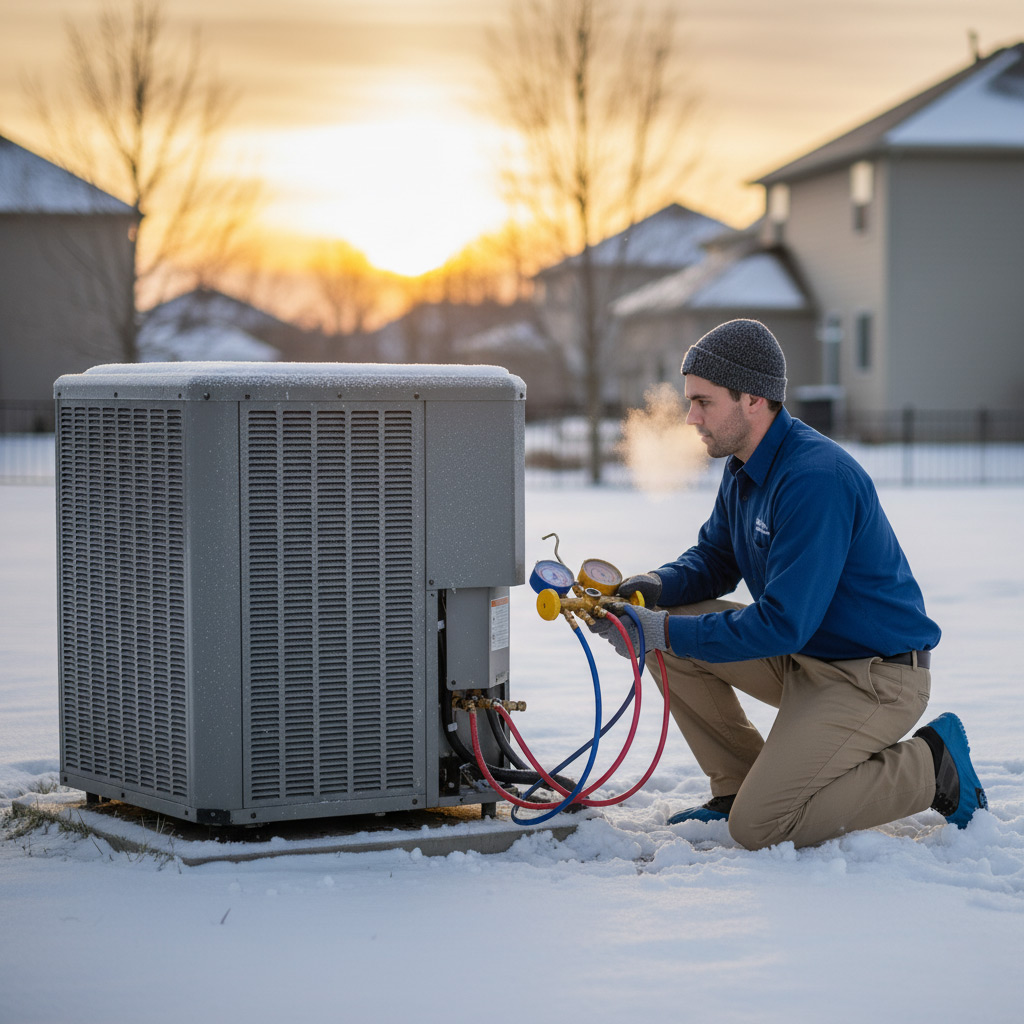
Picture this: the Texas sun is blazing, you crank the thermostat, and instead of a rush of cool air you hear a wheeze that sounds like a tired horse. That’s the moment your AC is whispering that it’s on the brink, and if you ignore it, you’re headed for a costly breakdown.
Frost forming on the coils, a sudden spike in your electric bill, or that odd rattling that turns into a clunk are all red flags. Even a faint musty smell or uneven cooling across rooms can mean the system is fighting a losing battle.
Spotting these symptoms early can save you a fortune and keep your home comfortable all summer—keep reading to discover the exact steps you need to take before your AC quits on you.
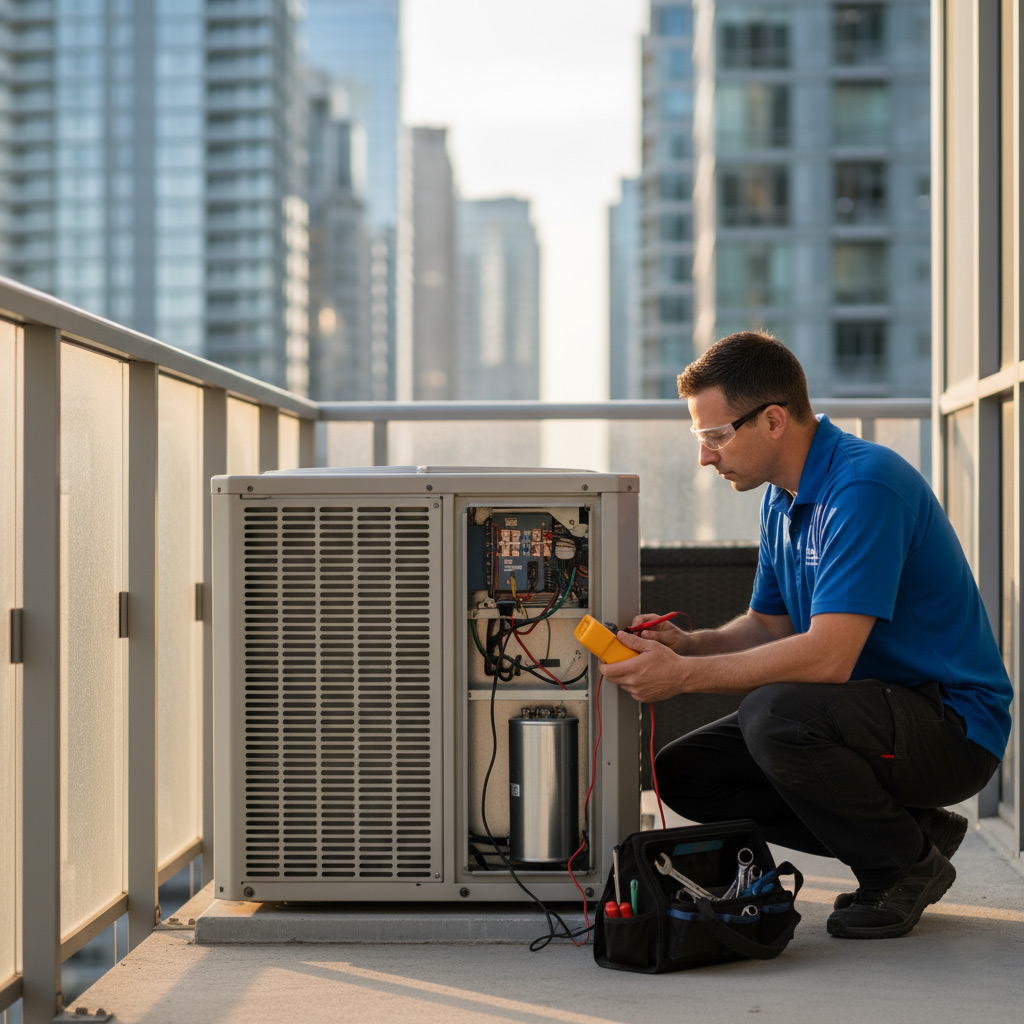
Early Warning Signs Every Grand Prairie Homeowner Should Notice
When the mercury climbs, your AC should be the first line of defense. If the air feels lukewarm in one corner while the rest of the house stays icy, that’s a temperature imbalance screaming for attention. A sudden, high‑pitched squeal or a low‑rumble that wasn’t there last week? Your compressor or fan motor is probably begging for help.
What to Look For Right Now
- Frost on the evaporator coil – ice builds up when refrigerant flow is restricted.
- Frequent short‑cycling – the unit turns on and off every few minutes, spiking your electric bill.
- Water pooling around the indoor unit – a clogged drain line can cause leaks and mold.
- Unusual odors – a musty smell hints at mold, while a burning scent warns of electrical trouble.
- Weak airflow – if the vents feel like they’re blowing through a straw, the blower or filter is likely clogged.
Spotting any of these clues early lets you call a pro before the system quits completely. Ignoring them is like driving a car with a flat tire; you’ll get farther, but the damage piles up fast.
DIY Diagnostic Steps: How to Test Your AC Before It Fails
Before you call a tech, grab a flashlight and a notepad. A quick walk‑through can reveal the problem before it turns into a $2,000 repair bill. Think of it as a pre‑flight check for your comfort system.
Check the Thermostat Settings
First, make sure the thermostat is actually telling the unit to cool. It sounds simple, but a mis‑set or dead battery can fool you into thinking the AC is broken.
- Set the mode to “Cool” and the fan to “Auto.”
- Drop the temperature a few degrees below the room’s current reading.
- Replace the thermostat batteries if the display looks dim.
Inspect the Outdoor Unit
The outdoor condenser is the heart of the system. A dirty coil or blocked airflow is often the culprit behind weak cooling.
- Turn off power at the breaker.
- Remove debris—leaves, twigs, or a stray soccer ball—from around the unit.
- Gently spray the fins with a garden hose; avoid high pressure that could bend them.
- Look for obvious signs of damage: bent fins, rust, or a cracked fan blade.
Listen for Unusual Noises
Power up the system and put your ear close to the indoor blower and outdoor fan. Strange sounds are a red flag that something’s out of balance.
- A high‑pitched squeal often means a loose or worn belt.
- A rattling clank can point to a loose motor mount.
- Humming without airflow usually signals a clogged filter or a failing capacitor.
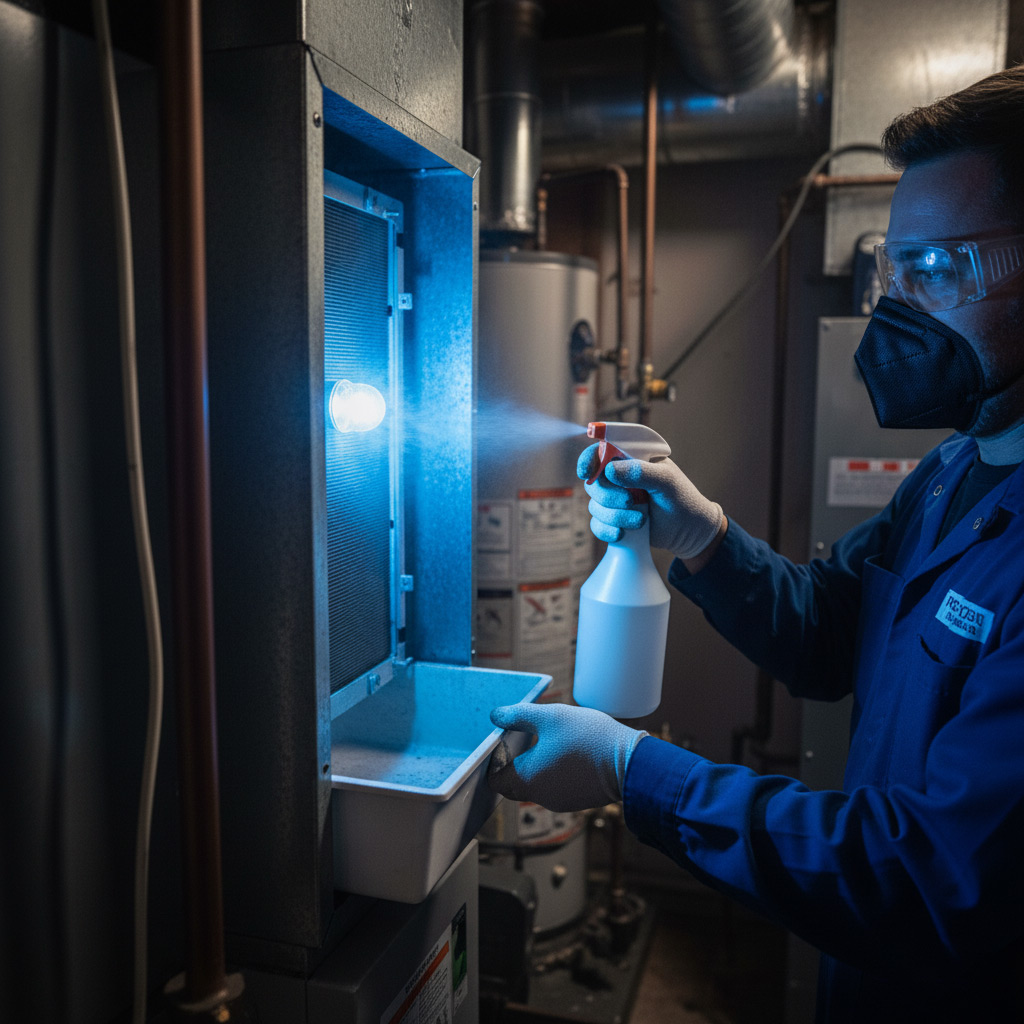
Critical Red Flags That Demand Immediate Professional Attention
Leaking Refrigerant – The Silent Killer
When you spot oily puddles around the outdoor unit, the AC is losing refrigerant fast. Low refrigerant forces the compressor to work overtime, which can melt internal parts in days, not weeks. Call a tech before the system overheats and you’re left with a silent, dead unit.
Furnace‑Like Noise & Electrical Smells
A buzzing, humming, or sizzling sound paired with a faint ozone odor means the electrical components are on the brink. Those signs point to a failing capacitor or a burnt motor winding—issues that can spark a fire if ignored. Don’t gamble; shut the system off and schedule a service call immediately.
Extreme Temperature Swings
If one room feels like a freezer while another swelters, the thermostat or control board is likely compromised. This imbalance often signals a failing sensor or a shorted relay, problems that a DIY fix can’t reliably solve. Get a professional in to diagnose and replace the faulty part before the whole system quits.
Preventative Maintenance Practices to Keep Your System Running Smoothly
Think of your AC like a race car – it needs regular pit stops or it’ll sputter out on the track. Simple, routine actions can keep the compressor humming and the bills low. Below are the chores that separate a smooth summer from a sweaty scramble.
Monthly Quick Checks
- Filter swap: Pull the front grille, replace a dirty filter with a fresh one. A clean filter means better airflow and less strain.
- Inspect the outdoor unit: Clear leaves, grass, and debris from around the condenser. A clear space lets the fan breathe.
- Listen for odd noises: A high‑pitched squeal or a thudding thump? Note it now before it turns into a costly repair.
Doing these three steps each month takes less time than scrolling through social media, and the payoff is immediate – cooler rooms and a quieter system.
Seasonal Deep Dive
- Schedule a professional tune‑up before the heat hits. Technicians will check refrigerant levels, tighten electrical connections, and lubricate moving parts.
- Clean the evaporator and condenser coils. Built‑up grime forces the unit to work harder, raising your electric bill.
- Examine fan belts and motors for wear. A frayed belt can snap mid‑summer, leaving you in the dark.
These heavier tasks are best left to the pros, but they’re the difference between a system that lasts 15 years and one that quits after five.
Smart Habits
- Keep a maintenance log: date, what you did, and any observations. When a problem reappears, you’ll have a clear history to show the technician.
- Calibrate your thermostat. An off‑by‑a‑few‑degrees setting can cause the unit to cycle too often.
- Monitor energy usage. A sudden spike in your bill often signals a hidden issue.
Adopt these habits and you’ll catch trouble before it becomes a headline. Your AC will thank you with steady, silent performance all summer long.

The Financial Consequences of Ignoring Early AC Issues
When a minor glitch is brushed aside, the price tag balloons faster than a Texas summer heat wave. A $200 coil cleaning can turn into a $2,500 compressor replacement if the problem festers for weeks.
Immediate Repair vs. Replacement Costs
- Minor fix: $150‑$300 – usually a sensor or loose belt.
- Major repair: $800‑$1,500 – often a failing motor or refrigerant leak.
- Full replacement: $3,000‑$7,000 – when the core components are beyond salvage.
Those numbers aren’t just numbers; they’re the difference between a quick call to a local tech and a month‑long scramble for financing.
Hidden Expenses That Sneak Up on You
- Higher electric bills – up to 30% more when the system works harder.
- Uneven cooling – leads to wasted energy as you crank the thermostat.
- Lost productivity – uncomfortable rooms can affect work‑from‑home performance.
Each extra kilowatt‑hour adds up, and before you know it, you’re paying for a problem you could have stopped.
Long‑Term Impact on Home Value
Potential buyers in Grand Prairie expect a reliable HVAC system. An outdated or broken unit can shave 5‑10% off your resale price. Fix it now and you protect both comfort and equity.
Case Study: A Grand Prairie Rescue – Turning a Near‑Breakdown into a Cost‑Effective Repair
When the Martinez family called, their 12‑year‑old split‑system was sputtering and the house felt like a sauna. They’d ignored a faint buzzing for weeks, hoping it would disappear. The truth? The compressor was on the verge of seizing, and the electric bill was already climbing.
What the tech did on the spot
Our certified technician arrived, ran a quick pressure check, and spotted a low‑side refrigerant leak. He didn’t waste time with a full teardown; instead he:
- Replaced the faulty suction line valve in under an hour.
- Added a precise amount of R‑410A refrigerant, restoring proper pressure.
- Cleaned the evaporator coil to improve airflow.
Each step was documented, and the homeowner got a clear, itemized invoice. No hidden fees, just the work that mattered.
The result? The AC blew cold air again within minutes, and the Martinez’s monthly electricity cost dropped by 18%. By catching the leak early, they avoided a $2,500 compressor replacement and saved weeks of uncomfortable heat. The lesson is simple: a quick call can turn a looming disaster into a pocket‑friendly fix.
Final Words
Don’t wait for the heat to turn your living room into a sauna. Schedule a professional tune‑up before the first June scorch, and you’ll keep the system humming while the bills stay low.
Take Action Today
- Call a certified Grand Prairie technician for a 30‑minute inspection.
- Ask about a maintenance plan that includes filter swaps and coil cleaning.
- Check your warranty – many manufacturers cover parts if you act within the first year.
When you catch a problem early, you avoid the dreaded “call‑out fee + parts” nightmare. It’s cheaper to fix a leaky coil than to replace a whole unit.
Ready to protect your comfort? Hit the HVAC Repair page now and lock in a spring service slot before the rush hits.
People Also Ask
What are the first signs that my AC is starting to fail in Grand Prairie?
A noticeable drop in cooling performance, unusual noises, and a spike in energy bills are early indicators. These symptoms often appear before a complete system breakdown.How can I test my AC’s refrigerant level at home?
You can feel the evaporator coil for frost or ice buildup, which suggests low refrigerant. If the coil is warm and the air isn’t cold, it’s time to call a professional for a proper gauge check.When should I replace my AC filter versus calling a technician?
If the filter looks dirty or you notice reduced airflow, replace it yourself every 30‑90 days. Persistent airflow issues after a new filter indicate a deeper problem that needs a technician’s inspection.What temperature difference between supply and return air signals a problem?
A healthy system should show a 15‑20°F (8‑11°C) difference. Anything less than 10°F (5°C) suggests the unit is struggling and may soon fail.Can ignoring a small AC leak lead to higher repair costs?
Yes, a minor refrigerant leak can cause the compressor to overheat and fail, resulting in expensive repairs or replacement. Prompt detection and repair keep costs manageable and extend the system’s life.
Grand Prairie HVAC brings over 15 years of residential and commercial climate‑control expertise to the Grand Prairie community. Their team of certified technicians delivers reliable heating and cooling solutions tailored to local needs. Committed to responsive service, they keep homes and businesses comfortable year‑round.
Need HVAC?
We provide rapid, results‑driven solutions for Grand Prairie, TX (75050, 75051, 75052) and neighboring communities. Our focus is delivering the outcomes you need, fast.
Request a fast quote